
Ordering Food & Coffee — Essential Phrases You Need
Learn the real words Quebecers use at cafes and restaurants. Covers what to say when you’re ordering and how to understand the menu without feeling lost.
Read MoreQuebecers don’t speak like textbooks. Here’s how to build comprehension with real conversations and what to do when you miss something.

You’ve studied for months. You know the grammar, you can read articles, and your textbook dialogues go perfectly. Then you sit down with an actual Québécois person and they talk at what feels like double speed.
It’s not that you’re not ready. It’s that native speakers don’t talk like textbooks. They skip syllables, blend words together, and use casual expressions that never appeared in your lessons. Plus, they’re not waiting for you to process every word — they’re just having a conversation.
The good news? This is totally learnable. You don’t need to understand every single word. You need strategies to catch the important parts and build your ear over time. That’s what we’re covering here.

Native speakers in Quebec typically talk at around 150-170 words per minute. That’s 25-30% faster than most language learning materials, which aim for around 120 words per minute. But speed alone isn’t the issue.
What really trips you up: they’re connecting words together. “Je suis” becomes “chuis.” “Tu as” becomes “tas.” “Il va” becomes “y va.” These aren’t mistakes — they’re just how people actually talk. Your brain’s trained to recognize separate words, but in real conversation, the sounds blend.
Plus, they’re not pausing between thoughts like a textbook narrator would. Native speakers have rhythm. They speed up on less important words and slow down on things they want to emphasize. If you’re listening for each word individually, you’ll miss the actual meaning.
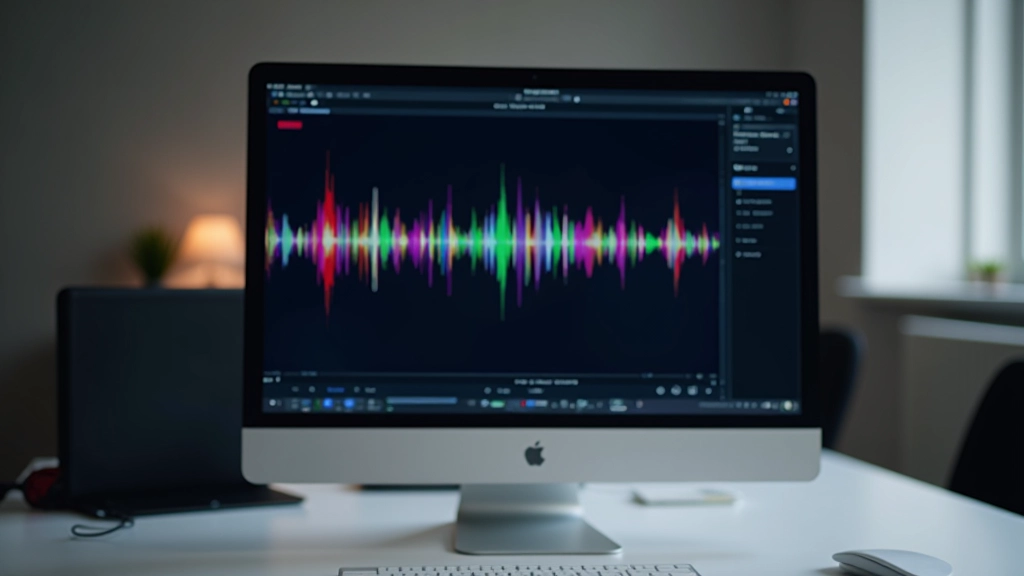
Stop trying to catch every word. Use these techniques instead.
In any sentence, certain words carry meaning and others don’t. Verbs, nouns, and question words matter. Filler words, articles, and connecting words? You can miss them. When someone says “Écoute, j’sais pas vraiment si y’va venir ce soir,” the important parts are “venir” (come) and “ce soir” (tonight). You don’t need “j’sais pas” (I don’t know) to understand the main idea.
After hearing the same expressions 50+ times, your brain stops needing to decode them. You’ll recognize “ça va?” as a unit instead of three separate words. Exposure matters more than perfect comprehension. Watch the same Quebec show twice. Listen to the same podcast episode while doing dishes. Repetition builds automatic recognition.
You don’t understand every English word when someone speaks your native language fast either — you understand context. Someone says something about “financer” a car and you don’t catch it? But you’re looking at cars on a dealer lot. Context tells you what they meant. Train yourself to use the same skill in French.

You can’t force comprehension. But you can create the conditions for it to develop. Real listening practice looks different from what most courses teach you.
Start with content you’re genuinely interested in, not specially made “learner French.” If you like true crime, find a Quebec podcast about crimes. If you follow hockey, watch Montreal Canadiens interviews. You’ll stay engaged longer, and engagement matters.
Here’s what a solid listening week looks like: Pick one video or podcast episode (5-10 minutes). Listen once without subtitles, just to get a feel for it. Listen a second time with French subtitles if available. Listen a third time without subtitles again. You’ll notice more each time.
Don’t try to understand everything. Aim for 60-70% comprehension in your first week with something new. By week three, you’ll probably hit 85-90%. That’s the natural learning curve.
Plenty of well-meaning learners make the same mistakes over and over. Here’s what slows you down.
You don’t need to understand word-for-word. That’s actually counterproductive. Native speech isn’t built for that kind of processing. Let sentences flow. Your brain will catch the meaning without translating each part.
Flashcards help you recognize words, but they don’t help you hear them in fast speech. Context and repetition build real comprehension. Learn words through listening, not lists.
Slow, clear audio teaches you a skill that doesn’t exist in real life. You need to hear how people actually talk. Mix in native content from week two onward, even if you don’t understand most of it yet.
First conversations will feel impossible. That’s normal. Your brain needs 40-50 hours of exposure before things start clicking. That’s roughly 3-4 weeks of consistent listening if you’re doing an hour a day.

Native speakers talk fast because that’s how language naturally works. You’re not behind or not ready — you’re just in the stage where your brain needs exposure to natural speech patterns. That’s actually a good place to be. It means you’re ready to move beyond textbooks.
Start with one piece of authentic content. Listen to it three times over a few days. Don’t stress about understanding every word. Notice what you catch, what you miss, and what becomes clearer with repetition. That’s your training.
Within a month of consistent listening, you’ll notice real changes. Words you couldn’t hear before will suddenly become obvious. Whole sentences you thought were gibberish will make sense. It happens gradually, then suddenly.
Ready to practice with real Quebec French? The resources below will get you started with authentic content that matches your current level.

Everyone’s timeline is different. Some people’s ears adapt to native speed in 3-4 weeks. Others need 8-10 weeks. Neither timeline is wrong — it depends on how much exposure you get, your language background, and your natural learning style. If you’re not understanding native speakers yet, that doesn’t mean the strategies here won’t work. It just means you need more repetition. Keep listening. Your brain is working even when it doesn’t feel like progress is happening.